There is something steady about heritage roses. Whether they traveled from the Old World with immigrants or have been passed from generation to generation right here, these roses have stood the test of time. They feel less like a trend and more like an inheritance.
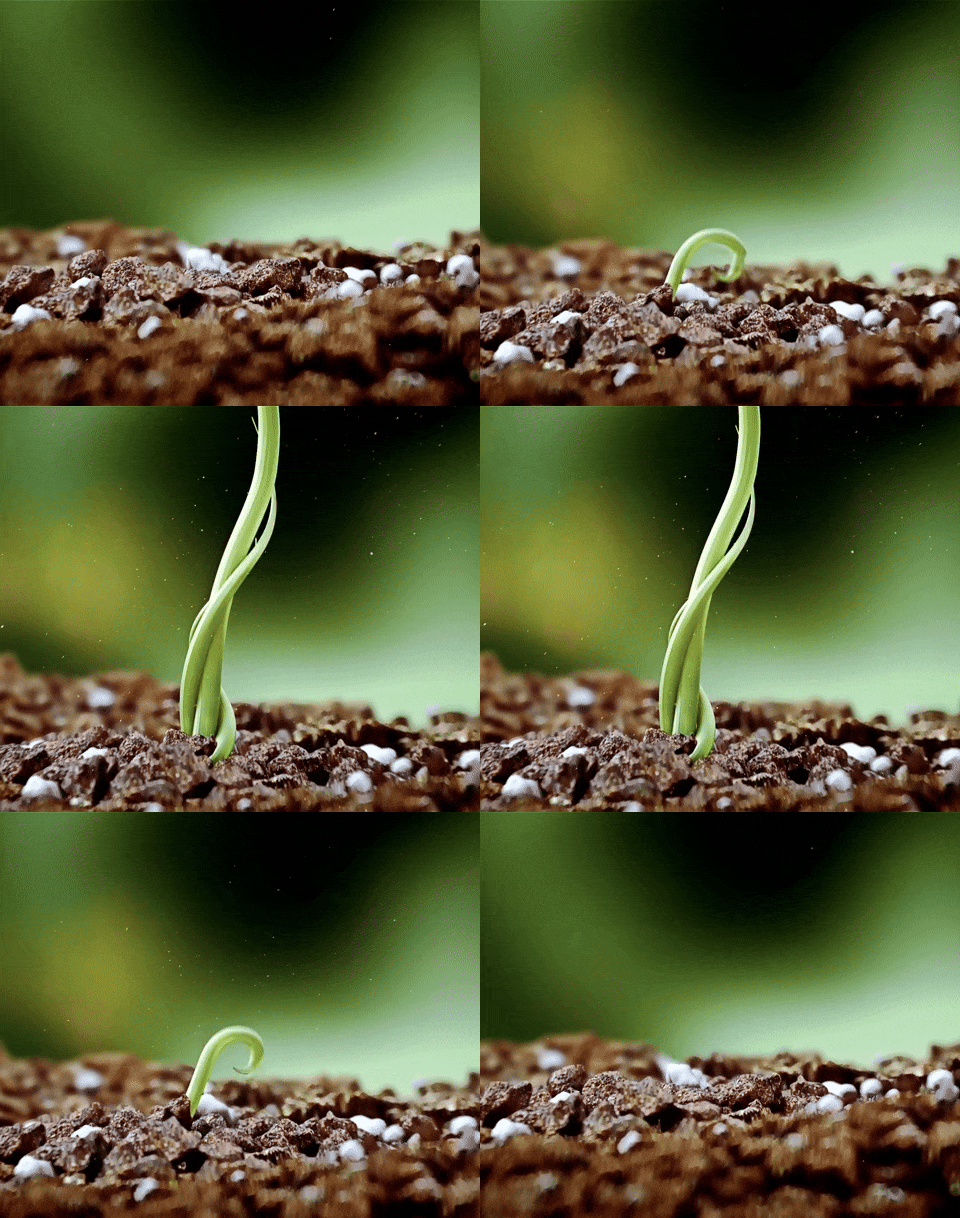
Choosing old garden roses is not only about beauty, although beauty is part of it, but also about survival instincts. As an antique rose grower, I recommend varieties not only for their form and fragrance but for their ability to endure. Zone listings are conservative, and that matters. It means you can trust that when winter settles in and deciduous trees and shrubs drop their leaves, these roses know how to rest. They understand dormancy.
In our former garden, a collection of Gallica roses taught us this quietly. They bloomed once, and what a bloom it was. The colour was deep and settled into the petals rather than sitting on top of them. Petals felt almost folded into themselves. After flowering, they returned to green without complaint, holding space in the border without demanding attention. There is dignity in that rhythm.
When choosing heritage varieties, think about where they will live. Some are specimens, meant to stand alone and be noticed when you walk past with a basket or a cup of tea. Others make generous hedges, shaping a boundary that feels protective without being harsh. There are roses for containers, content to grow where soil is limited, and climbers that stretch upward and soften fences and archways.
Gardeners often ask for specifics, a good purple or mauve colored climber for the northwest Washington area. It is a practical question. Climate matters. Placement matters. Patience matters too. These roses have survived because they are adaptable and because they have endured periods of neglect, cold, and deer pressure in some gardens. There is no such thing as a deer proof plant. If deer are hungry enough, they will eat what you hoped they would leave alone.
Old garden roses ask you to consider more than bloom time. Do you want a single flush that arrives all at once and then fades, or repeat flowering that carries colour through the season in a quieter way. Are you planting for a hedge that will thicken year after year, or a container that can be shifted with the light when one corner of the yard feels tired. Each decision shapes the garden in ways that only become clear later.
The appeal of antique roses is layered. They connect you to gardeners who came before. They bring fragrance that many modern hybrids lack, the kind that meets you before you reach the plant. They offer resilience without spectacle. In winter, when herbaceous perennials dry and the garden quiets, these shrubs remain as bare canes against a pale sky, waiting without drama.
To choose well is to pay attention to those quieter qualities. Beauty still matters. Endurance matters more. When you plant heritage roses with that in mind, you are not just filling space. You are continuing something that began long before you arrived and will likely outlast you.
Cut back hard when you need to. Trust that growth is written into the wood.
They return.